Japanese Calligraphy : A Form of Art and Meditation
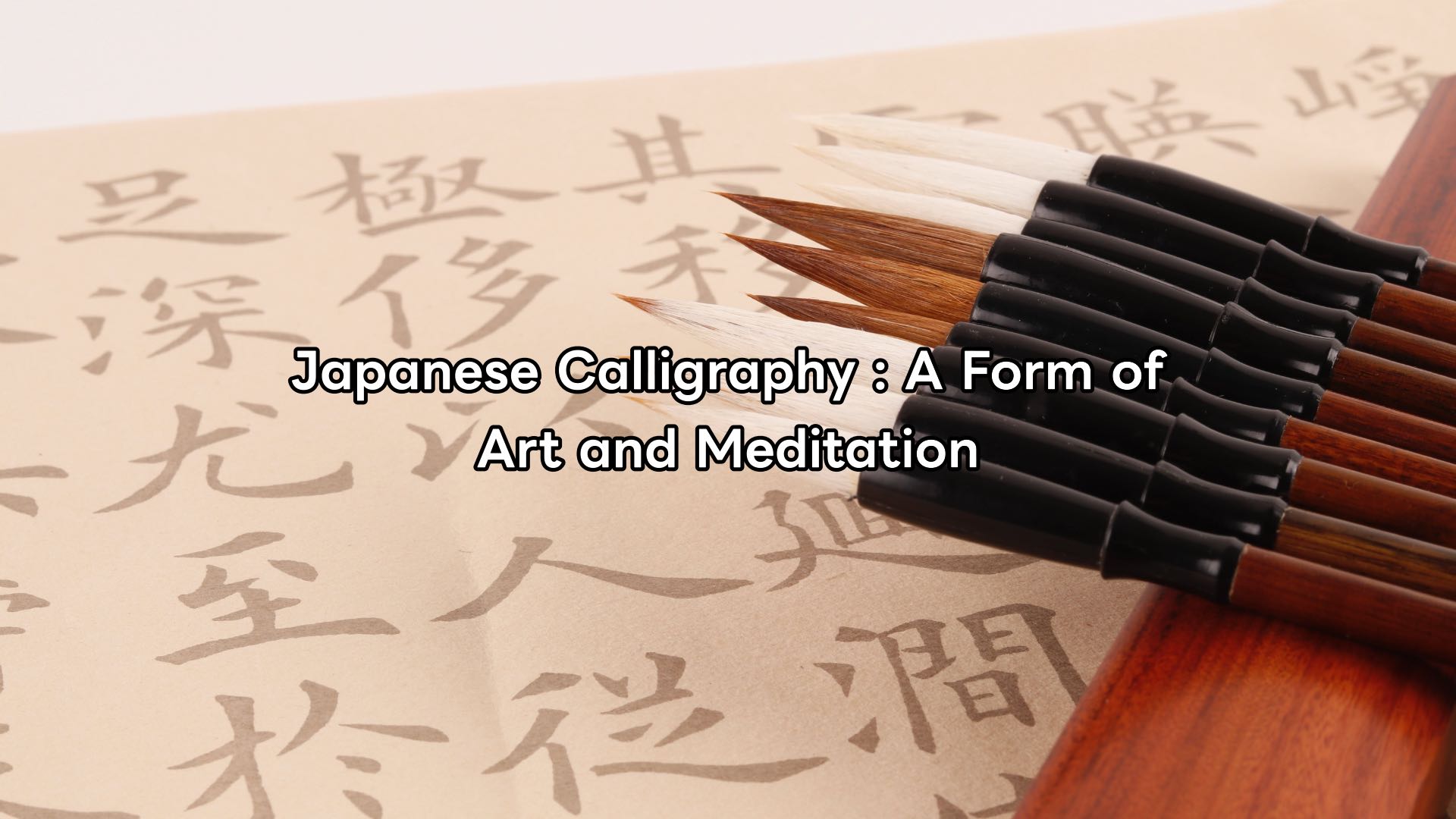
Japanese calligraphy, known as "shodo" in Japanese, is a traditional art form that dates back centuries in Japanese history. This artistic practice has evolved over time to become a unique means of expression, imbued with philosophy and spirituality. Much more than just handwriting, it is an art in itself, used to create visually striking and deeply meaningful works.
History of Japanese !Calligraphy
Japanese calligraphy originated in China, where it is known as "shufa". It was introduced to Japan in the 4th century and quickly gained popularity among scholars, Buddhist monks, and members of the imperial court. Chinese calligraphy strongly influenced the development of its Japanese counterpart, but leaves room for the distinct Japanese style.
In Japan, this practice became an important art form in Buddhist temples, samurai schools and the imperial court. Buddhist monks used calligraphy to convey spiritual teachings, while samurai employed it to express their dedication to the path of bushido. Members of the imperial court also used it to commemorate important events and document the nation's history.
Over the centuries, this art has evolved to include different styles, such as "kaisho" (Standard Style), "gyosho" (Semi-Cursive Style) and "sosho" (Cursive Style). Each of these styles has its own distinctive characteristics and is suited to particular uses.
Japanese !Calligraphy Techniques
Japanese calligraphy is based on specific techniques that require mastery of the hand, brush and ink. His art involves fluid gestures to create varied lines and shapes. Here are some of these basic techniques :
• The brush, the choice of which is crucial, and which are made from animal hair, such as wolf, horse or goat, and are mounted on a bamboo handle. Different brushes are used for different styles of calligraphy. Artists need to control its pressure to create thin or thick lines.
• Ink, which is traditionally black, although there are other colors for specific uses. It is usually made from burnt pine soot mixed with animal glue. The artist prepares it by rubbing it on an ink stone with water to obtain the desired consistency.
• Paper, the choice of which is also essential. Called "washi", it is made from mulberry plant fibers. It is soft, absorbent and durable, allowing artists to create precise and expressive lines.
• Finally, gesture, because artists use their entire body to create fluid and precise movements. Breathing and concentration are essential to produce harmonious characters and patterns.
Meaning and Philosophy of Japanese !Calligraphy
Going beyond simple writing, Japanese calligraphy is imbued with philosophy and spirituality. Each calligraphic character has a deep meaning, and each brushstroke expresses the artist's emotions and intentions. Here are some important aspects of its meaning and philosophy :
• Harmony, rendered by a careful balance between the elements of the composition. Each character should be arranged in a balanced manner on the page, creating a pleasing aesthetic.
• Simplicity, another key characteristic. This art requires expressing complex ideas with a minimum of strokes. This reflects the Japanese philosophy of "wabi-sabi", which values beauty in imperfection and simplicity.
• The expression of the artist's emotions, visible in each brushstroke. Artists use this script to express joy, sadness, anger and other deep emotions.
• Meditation and concentration. By emptying your mind, and focusing on the gesture of the brush and the creation of characters, this art allows you to achieve a state of inner calm and full awareness.
Japanese !Calligraphy in Modern Culture
Although having deep roots in Japanese history, calligraphy remains a living and influential art form in contemporary culture. Today, many Japanese and international artists are dabbling in it, exploring new styles and pushing the boundaries of this traditional art form. Widely used in ceremonies and rituals, it is, for example, often used to write vows and prayers during religious festivals and weddings. His teaching continues to be passed on to new generations, thus ensuring the preservation of this artistic tradition.
Furthermore, this form of Japanese writing is appreciated around the world, both for its aesthetics and for its deeper meaning. Calligraphic characters can be used as decorative elements in contemporary art, fashion and interior design. They also serve as a bridge between Japanese culture and other cultures around the world.
Japanese calligraphy, or shodo, is much more than just handwriting. It is a profound and meaningful art form that is based on age-old techniques, rich philosophy and deep meditation. It has evolved over the centuries to adapt to the evolution of Japanese society, but it remains anchored in the traditions and values of Japan. Continuing to inspire and amaze people around the world, it provides a window into Japanese culture and spirituality. Whether practiced as a form of personal artistic expression or used in ritual ceremonies, it continues to play an important role in modern Japanese culture and beyond. It reminds us of the importance of harmony, simplicity and meditation in our often hectic contemporary world.
Published on 11/10/2023 16:00:00
Which Kanjis Have You Learned ?
Click and Drag Translations
書道
-
Calligraphy
Art
美術
-
Art
Brush
表現
-
Expression
Calligraphy
筆
-
Brush
Ink
墨
-
Ink
Expression
The Art of Japanese Tea : A Deep Dive into Chanoyu Culture
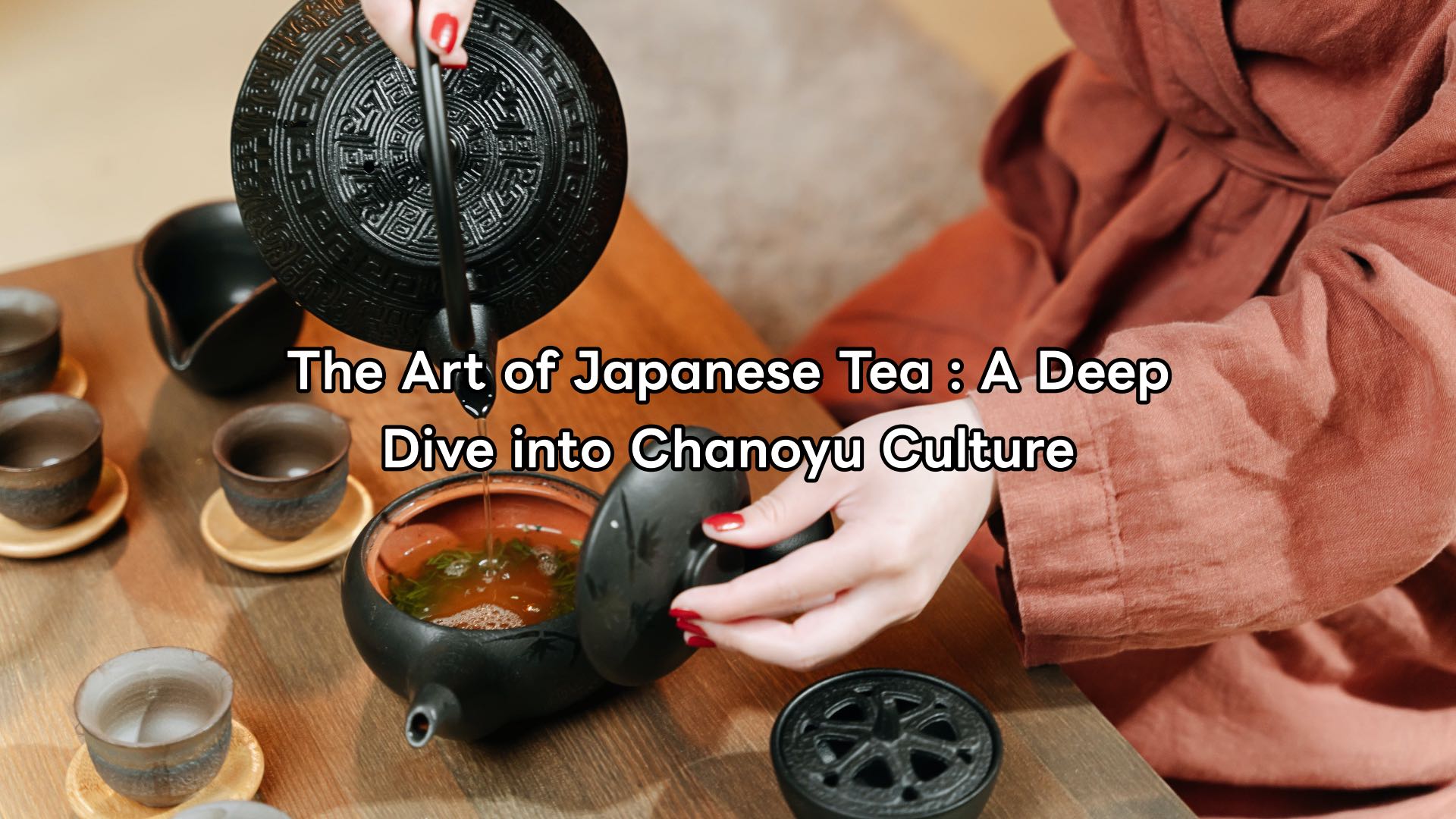
Japanese tea, deeply rooted in the history and culture of the land of the rising sun, is much more than just a drink. It is an art, a ceremony, a spiritual experience that dates back centuries and continues to influence the daily lives of Japanese people.
The Tradition of Hanami : Celebrating the Ephemeral Beauty of Cherry Blossoms
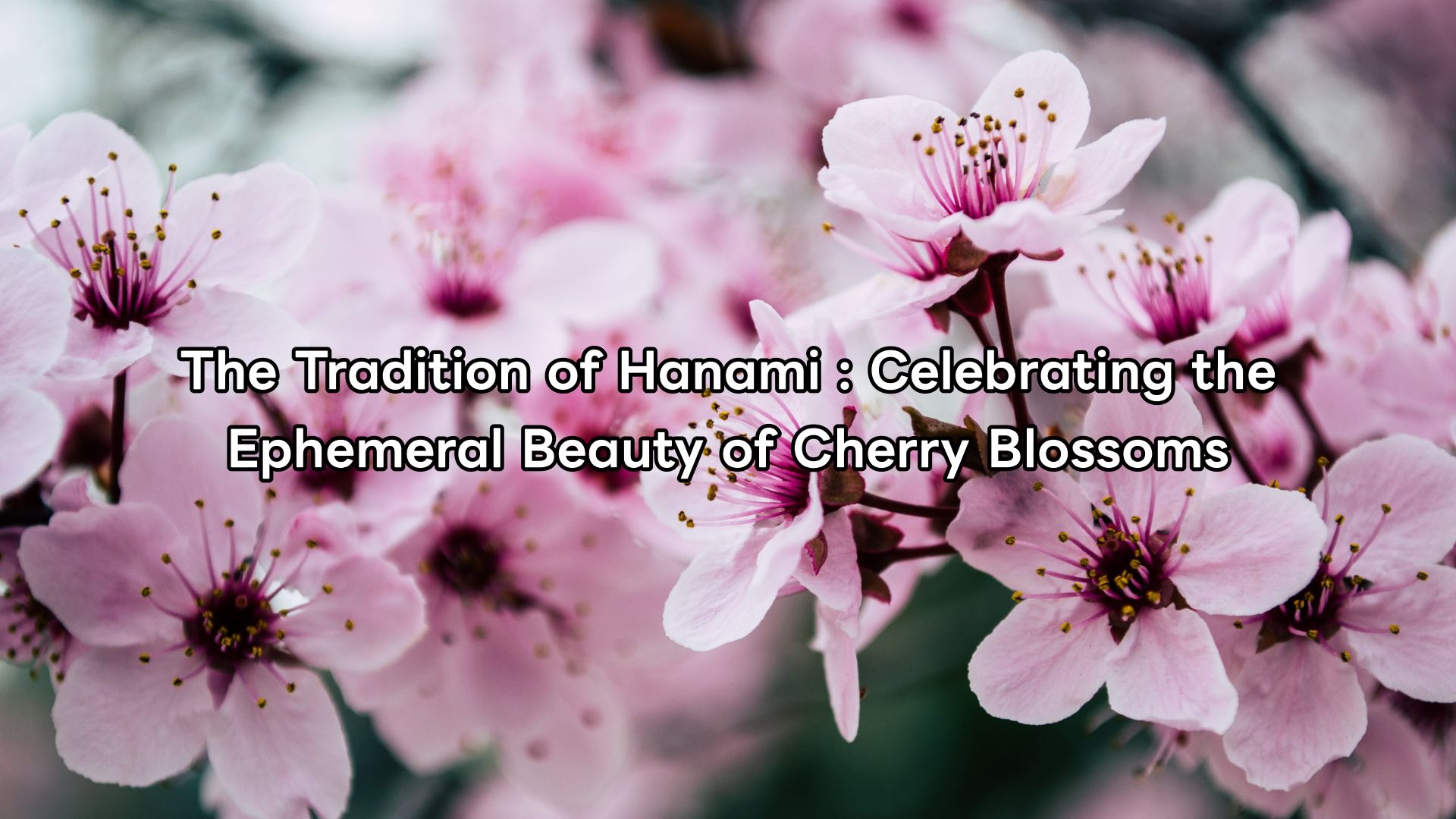
Hanami, or the Japanese tradition of gazing at cherry blossoms, is a celebration of the fleeting beauty of nature. This centuries-old custom has deep meaning in Japan, where cherry blossom trees, called "sakura", are revered for their short-lived splendor. Every year, when spring arrives, millions of Japanese and visitors from around the world gather there to enjoy this extraordinary natural spectacle.
The History of Rice in Japan : From Grain to Culinary Tradition
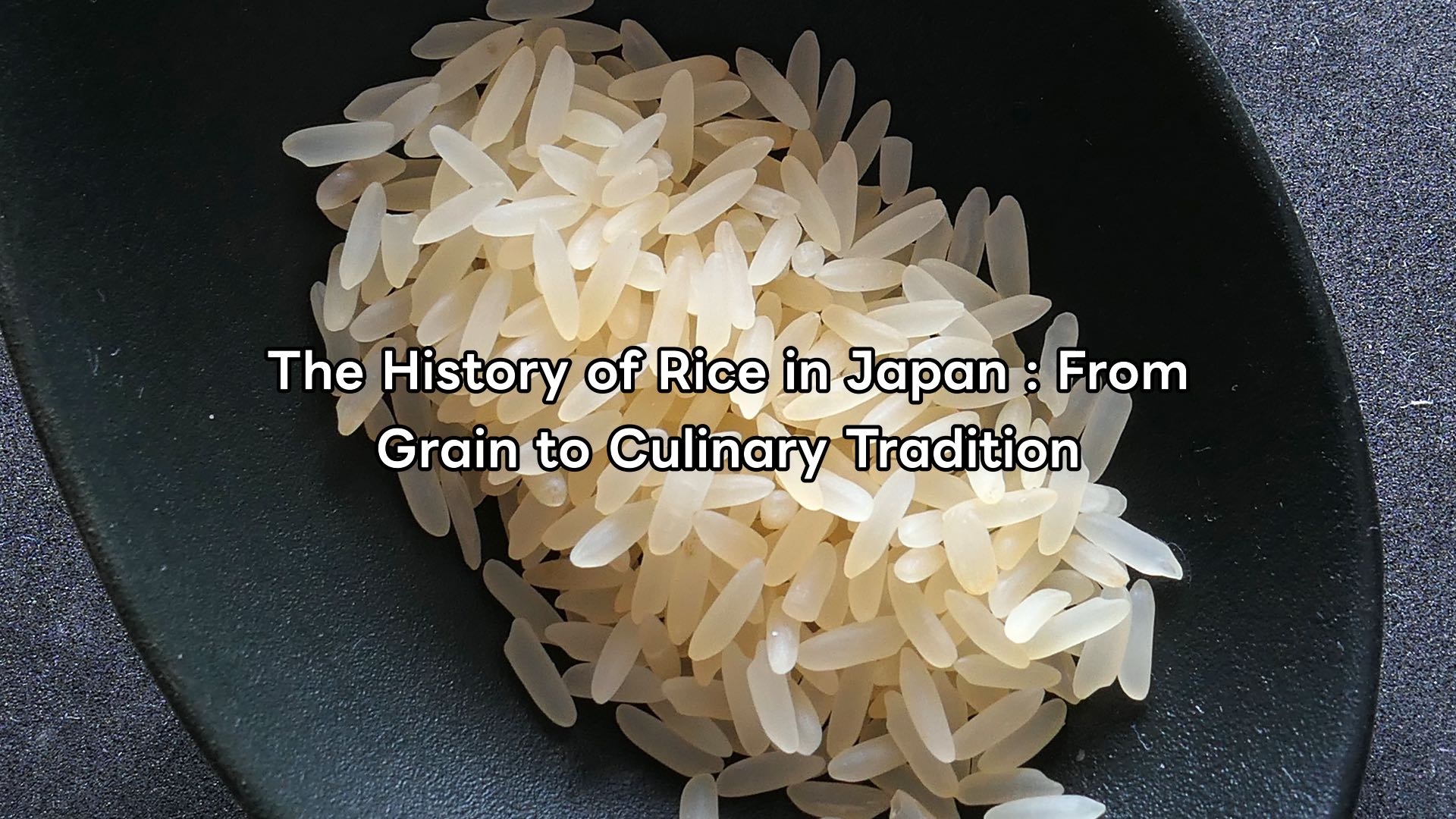
Rice occupies a special place in the history of Japan, both in terms of food and culture. This small grain has played a central role in the lives of the Japanese, shaping their diet, their economy and even their identity. Its history is a fascinating saga that dates back millennia, and its impact is deeply rooted in Japanese society.