The Art of Japanese Tea : A Deep Dive into Chanoyu Culture
Japanese tea, deeply rooted in the history and culture of the land of the rising sun, is much more than just a drink. It is an art, a ceremony, a spiritual experience that dates back centuries and continues to influence the daily lives of Japanese people.
The Origins of Japanese !Tea
The history dates back to the 9th century when the Buddhist monk Eisai introduced tea from China. However, it was only later, in the 12th century, that it began to be cultivated in Japan. Buddhist monks played a crucial role in spreading its culture, seeing the drink not only as a source of meditation but also a means of improving health.
Over time, tea has become increasingly popular in Japan, evolving into different varieties, each with its unique characteristics. Each variety has its own preparation method and offers a distinct taste experience, such as :
• Sencha, which is the most popular green tea in Japan and in the world in general. Grown in full sun, it offers a refreshing flavor with a slight bitterness. It is prepared by infusing its leaves in hot water.
• Matcha, known for its central role in the Japanese tea ceremony, which is a green powder. It is prepared by whisking matcha powder with hot water, creating a frothy, velvety drink. It is also used in Japanese cuisine to flavor various dishes and desserts.
• Gyokuro, which is considered one of Japan's most popular teas, and which is grown in the shade, which gives it a sweet and rich flavor. The preparation method involves the use of high quality leaves and brewing at low temperatures.
• Finally, Hojicha, which is roasted, unlike other green teas, which gives it a nutty flavor and a less bitter character. It is often loved for its unique flavor profile and low caffeine content.
The Japanese !Tea !Ceremony
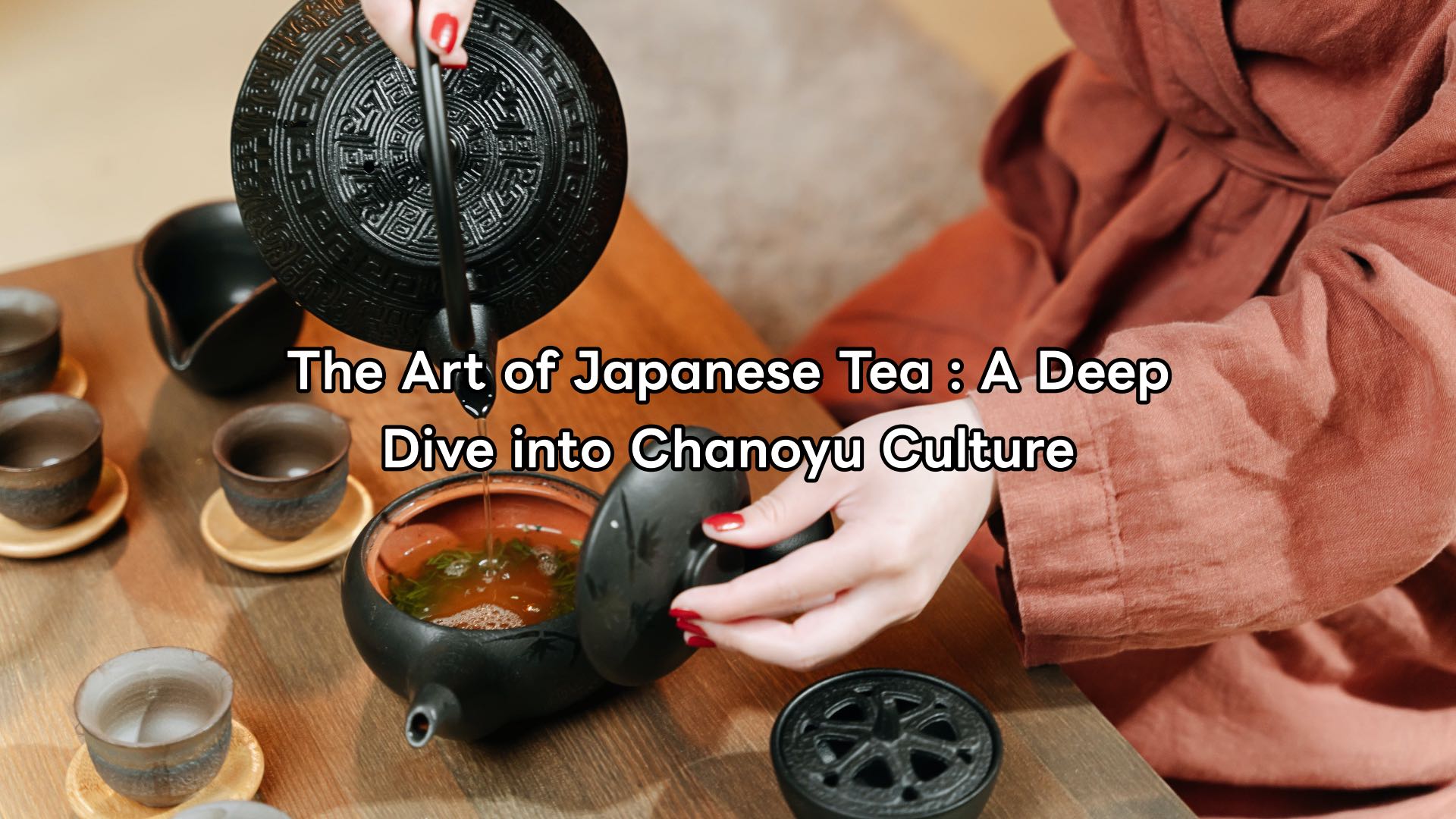
The tea ceremony in Japan, also known as Chanoyu, or Sadō, (The Way of Tea) is a ceremonial practice that dates back to the 16th century. Developed by the tea master, Sen no Rikyū, it aims to celebrate harmony, respectability, purity and serenity. Its preparation and tasting become rituals, emphasizing the importance of each moment, as well as its unique flavor.
The ceremony is often performed in a dedicated space called "chaji", which can be a small hut (Called "chashitsu") or a special room inside a house. Participants, called guests, sit on tatami mats, while the master of ceremonies prepares and serves tea with meticulous precision. Every gesture has deep meaning, and every element, from the utensils to the room's layout, is carefully chosen to create a holistic experience.
The Cultural and Spiritual Impact of Japanese !Tea
In Japan, tea is not limited to a simple drink, but is deeply rooted in daily life, art and spirituality. Its ceremony, in particular, has influenced many aspects of Japanese culture, from architecture to calligraphy and pottery. She has also inspired artists, writers and philosophers.
On a spiritual level, tea is often associated with meditation and the search for inner serenity. Drinking it becomes a contemplative act, a break from the whirlwind of daily life. The values of its ceremony, such as harmony and respectability, carry over into the way Japanese people interact with each other and the world around them.
Japanese tea goes far beyond a simple drink. It is an experience, a celebration of life and an expression of Japanese art and culture. From the delicate leaves to the elaborate rituals of its ceremony, each aspect bears witness to the richness and depth of this tradition. By exploring its world, we discover a fascinating gateway to the soul of Japan.
Published on 12/08/2023 16:00:00
Which Kanjis Have You Learned ?
Click and Drag Translations
茶
-
Tea
Ceremony
飲料
-
Beverage
Leaves
風味
-
Flavor
Flavor
葉
-
Leaves
Beverage
式
-
Ceremony
Tea
Japanese Baths : A Dive into Tradition and Relaxation
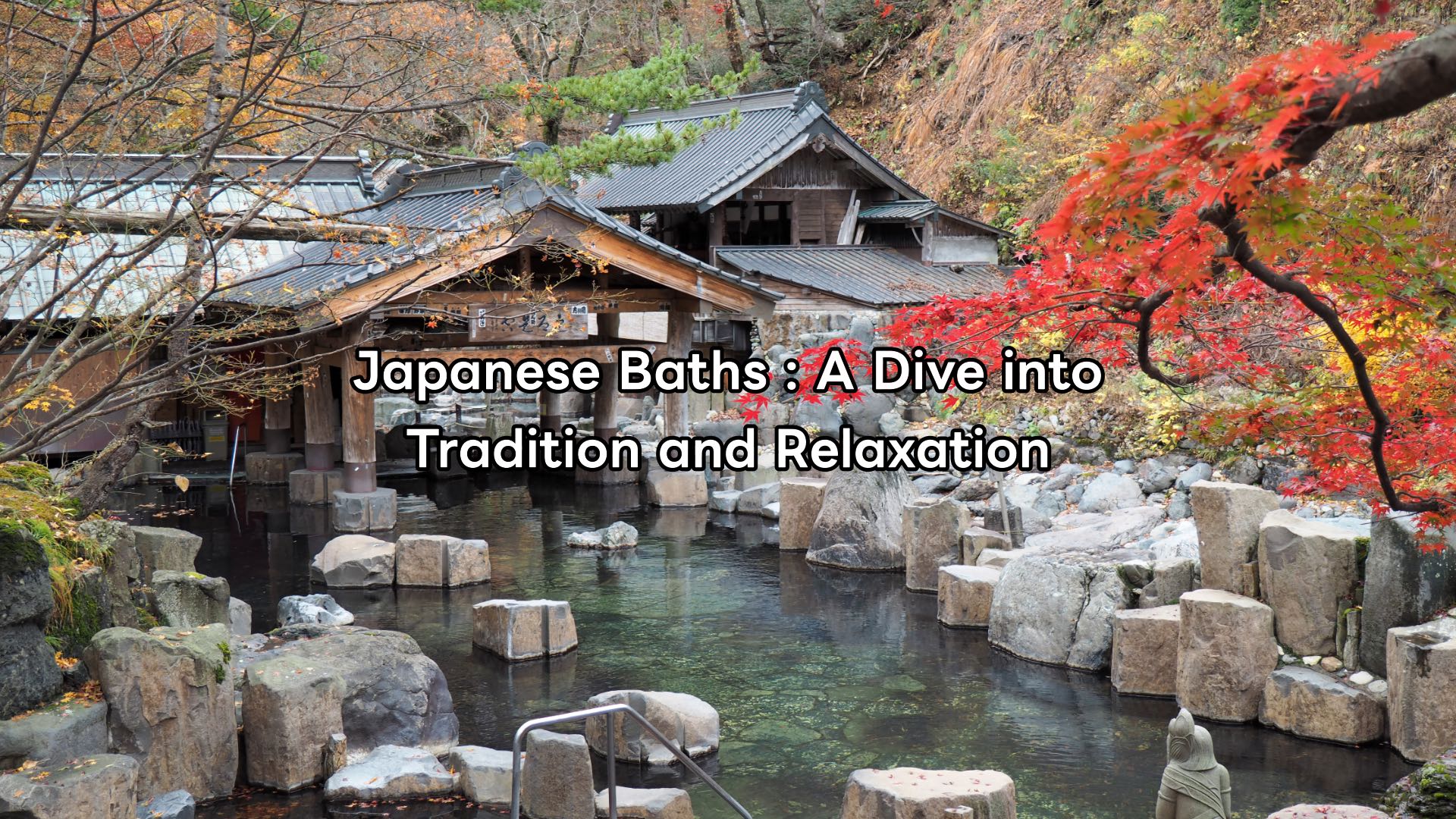
Japanese baths, known as onsen, are more than just a bathing experience. They represent an important part of Japanese culture, combining tradition, ritual and well-being. These natural hot springs, often nestled among picturesque landscapes, offer Japanese and visitors from around the world a rejuvenating getaway for both body and mind.
Japanese Calligraphy : A Form of Art and Meditation
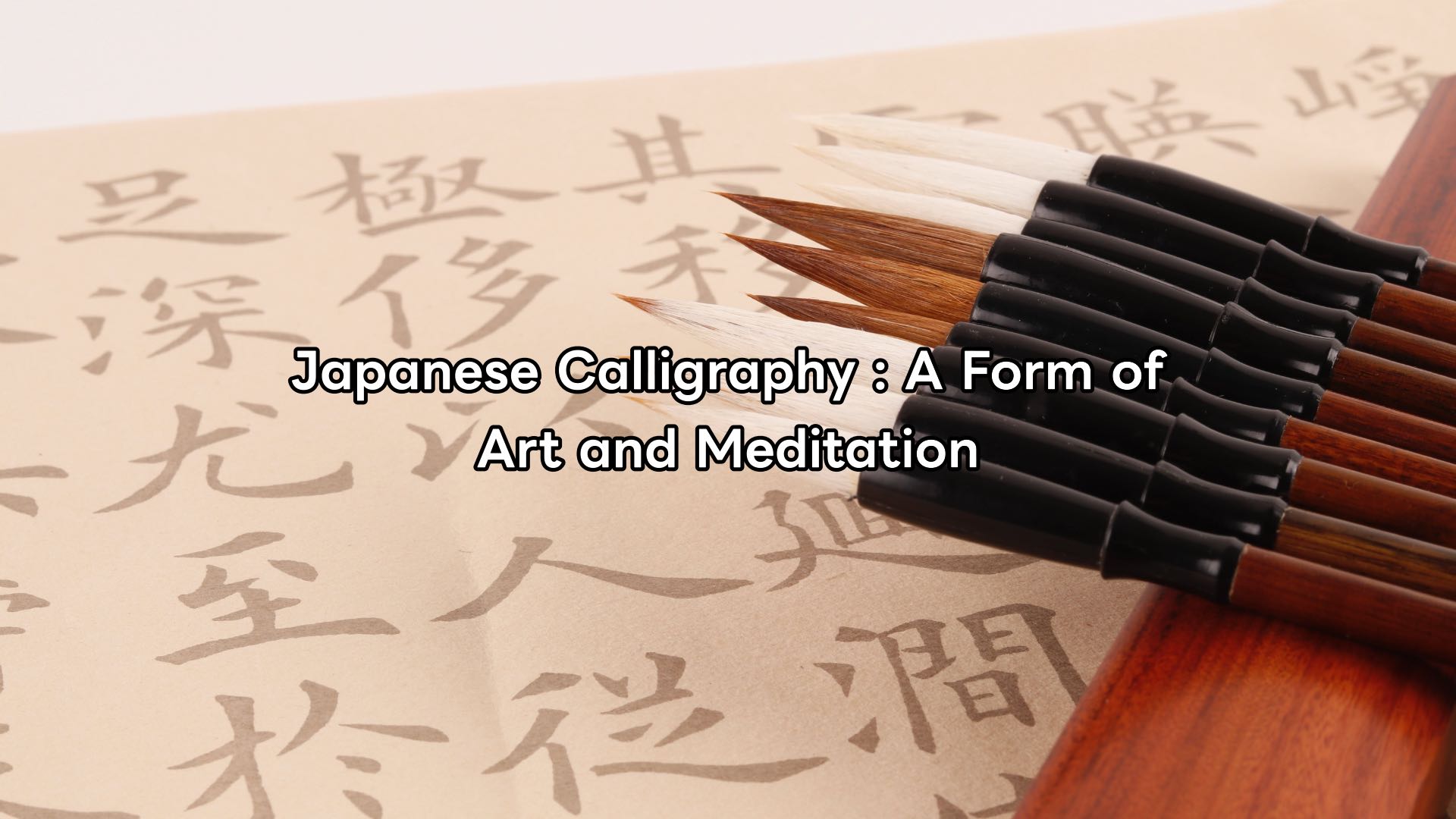
Japanese calligraphy, known as "shodo" in Japanese, is a traditional art form that dates back centuries in Japanese history. This artistic practice has evolved over time to become a unique means of expression, imbued with philosophy and spirituality. Much more than just handwriting, it is an art in itself, used to create visually striking and deeply meaningful works.
The Tradition of Hanami : Celebrating the Ephemeral Beauty of Cherry Blossoms
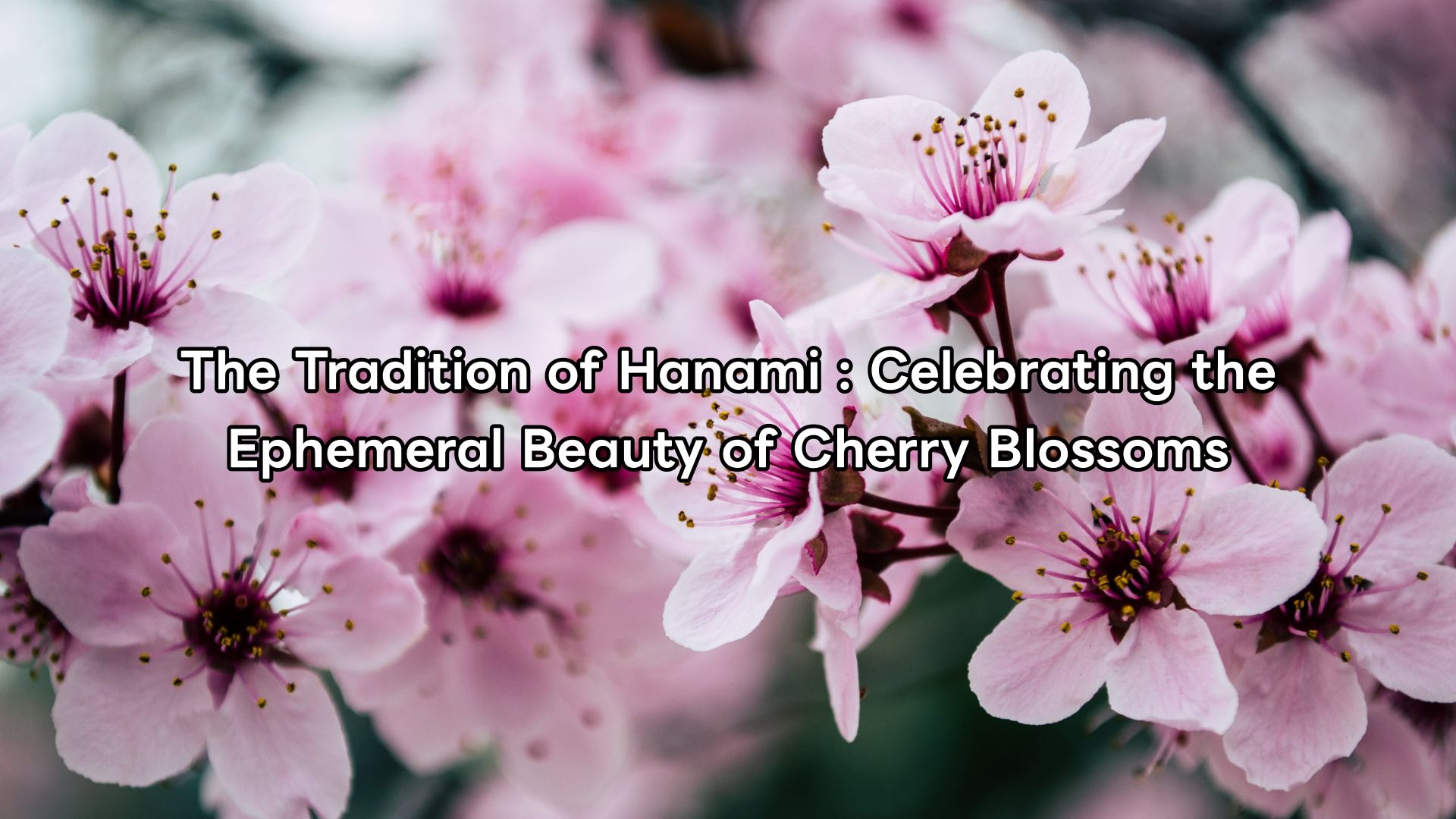
Hanami, or the Japanese tradition of gazing at cherry blossoms, is a celebration of the fleeting beauty of nature. This centuries-old custom has deep meaning in Japan, where cherry blossom trees, called "sakura", are revered for their short-lived splendor. Every year, when spring arrives, millions of Japanese and visitors from around the world gather there to enjoy this extraordinary natural spectacle.