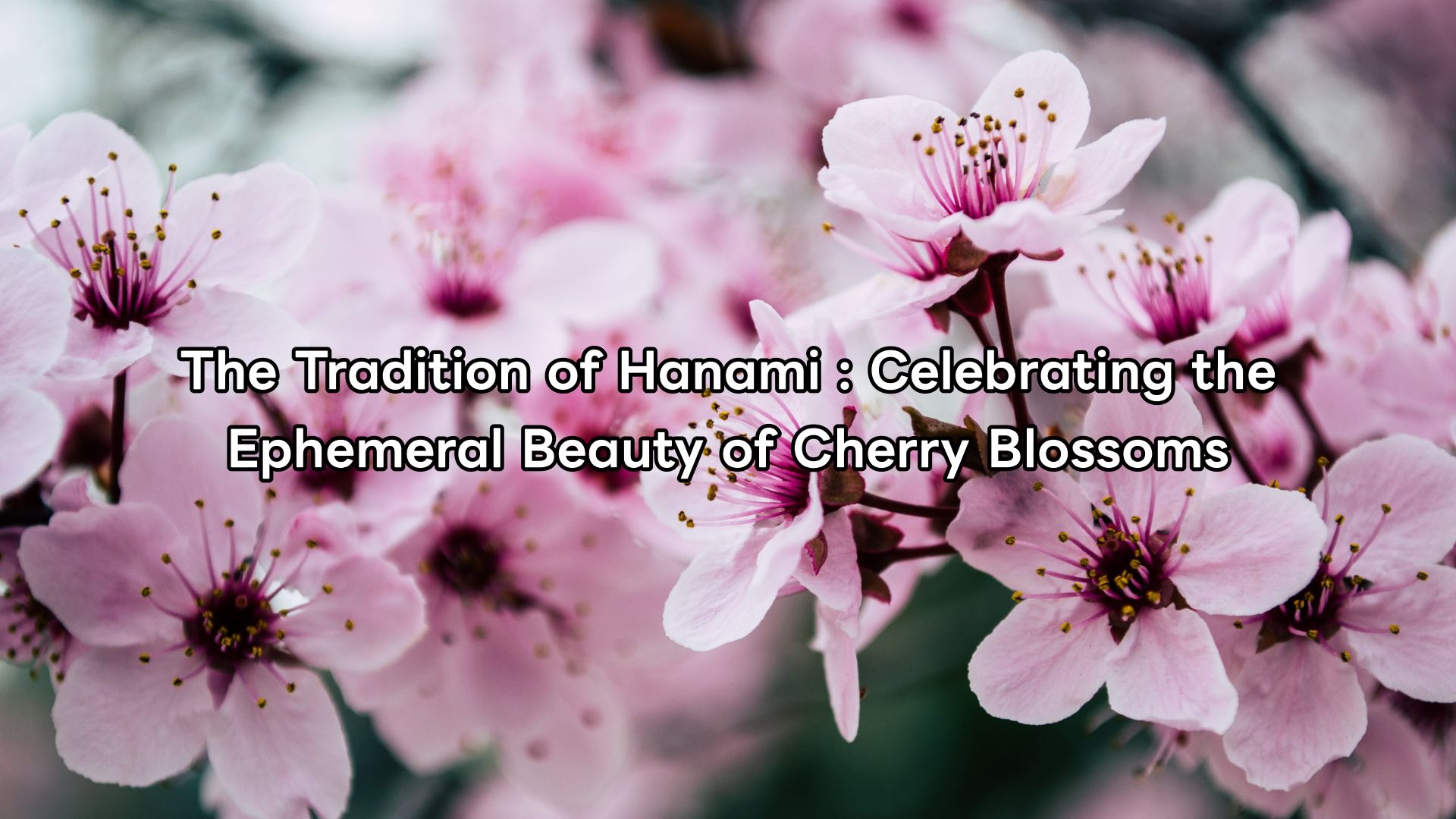
The Tradition of Hanami : Celebrating the Ephemeral Beauty of Cherry Blossoms
Hanami, or the Japanese tradition of gazing at cherry blossoms, is a celebration of the fleeting beauty of nature. This centuries-old custom has deep meaning in Japan, where cherry blossom trees, called "sakura", are revered for their short-lived splendor. Every year, when spring arrives, millions of Japanese and visitors from around the world gather there to enjoy this extraordinary natural spectacle.
History and Origins
This tradition dates back more than 1000 years, to the time of the Tang dynasty in China, where nobles practiced Ume no!Hanami, a similar custom of gazing at plum blossoms. By being exported to Japan, Ume no!Hanami was transformed into Hanami of cherry trees, given their preponderant place in Japanese culture.
One of the first references to Hanami dates back to the Nara era (710-794) in Japan, where Japanese aristocrats held banquets under cherry blossom trees. Over the centuries, this event has become more and more popular with all classes of society, and the contemplation of these ephemeral floral blooms has evolved to become an important symbol.
Cultural Meaning
Having deep cultural significance in Japan, Hanami symbolizes the fleeting beauty of life, the fragility of existence and the recognition of its instability. Cherry blossoms, which only remain in this state for a short time, remind the Japanese that life is beautiful but brief, and to enjoy it while it lasts. This philosophy is also known as "Mono no Aware", which translates to "sensitivity to things" or "empathy towards things".
This period is also associated with the notion of renewal. These blooms mark the end of winter, as well as the beginning of spring, a period of rebirth and renewal, symbolizing a new cycle of seasons. It's the time when nature comes back to life after the cold of winter, and invites a landmark celebration of nature's rebirth.
Celebrations in Japan
Every year, the Japanese gather under the cherry blossom trees for this spring celebration. It is celebrated by many traditions, including :
Picnics, where families, friends and colleagues gather in parks for a joyful meal. Tablecloths are spread, lunch baskets are opened, and people spend hours eating, drinking and relaxing under the flowering branches.
Drink sake, Japan's traditional alcoholic beverage, which is an important part of these celebrations. Participants drink it to celebrate the arrival of spring.
Songs and dances, which create a festive and joyful atmosphere, where participants express their joy and gratitude towards nature.
Nighttime illuminations, in certain regions of Japan, which illuminate cherry blossoms to create a magical atmosphere after dark. These illuminations add an additional festive dimension to the celebrations.
And of course, kimonos and traditional Japanese clothing, adding a touch of tradition and elegance to this event.
All of this allows the Japanese to enjoy nature, celebrate life and relax in the company of their loved ones.
The Most Beautiful Places
Japan offers many beautiful places to celebrate Hanami. Here are some of them :
Ueno Park in Tokyo, which is one of the most popular places. It is home to over 1,000 trees ready to bloom, and provides a beautiful setting for picnics and walks.
Maruyama Park in Kyoto, famous for its giant cherry tree, the "shidarezakura", which is illuminated at night. It's a magical place in Japan.
Inokashira Park in Tokyo, located in the Kichijoji district, is a charming and memorable place. It has a large pond and many cherry blossom trees.
Mount Yoshino in Nara, considered one of the best places to view Hanami in Japan. It is covered with thousands of flowers and offers breathtaking views.
Chidorigafuchi Park in Tokyo, located near the Imperial Palace, offers boat rides under the cherry blossoms along the palace moat.
Note, however, that the exact date of flowering varies from one city to another, and also depending on the year, starting in the South, and moving up over the days towards the North.
You will have understood : The flowering of cherry blossoms is an unforgettable experience for residents of Japan, and a must for foreign visitors. This celebration of the fleeting beauty of nature is an opportunity to reconnect with the Japanese philosophy of simplicity and appreciation of life. Every year, millions of people gather under these cherry trees to celebrate this spring festival, and it is an experience that leaves no one indifferent. So, if you have the chance to go to Japan in the spring, don't miss the opportunity to participate. It’s a unique cultural experience that will leave you with unforgettable memories and a deep appreciation for the fleeting beauty of life.
Published on 11/03/2023 16:00:00
Which Kanjis Have You Learned ?
Click and Drag Translations
花見
-
Hanami
Nature
桜
-
Cherry Trees
Ephemeral
祝い
-
Celebration
Hanami
短命
-
Ephemeral
Celebration
自然
-
Nature
Cherry Trees

The Rapid Evolution of Japanese Trains : From Historic Lines to Innovative Projects
Japan, renowned for its advanced technology, has played a leading role in the evolution of trains over the decades. From the commissioning of the first railway in 1872, to the design of ultra-modern high-speed lines, the Land of the Rising Sun has constantly pushed the boundaries of railway engineering.
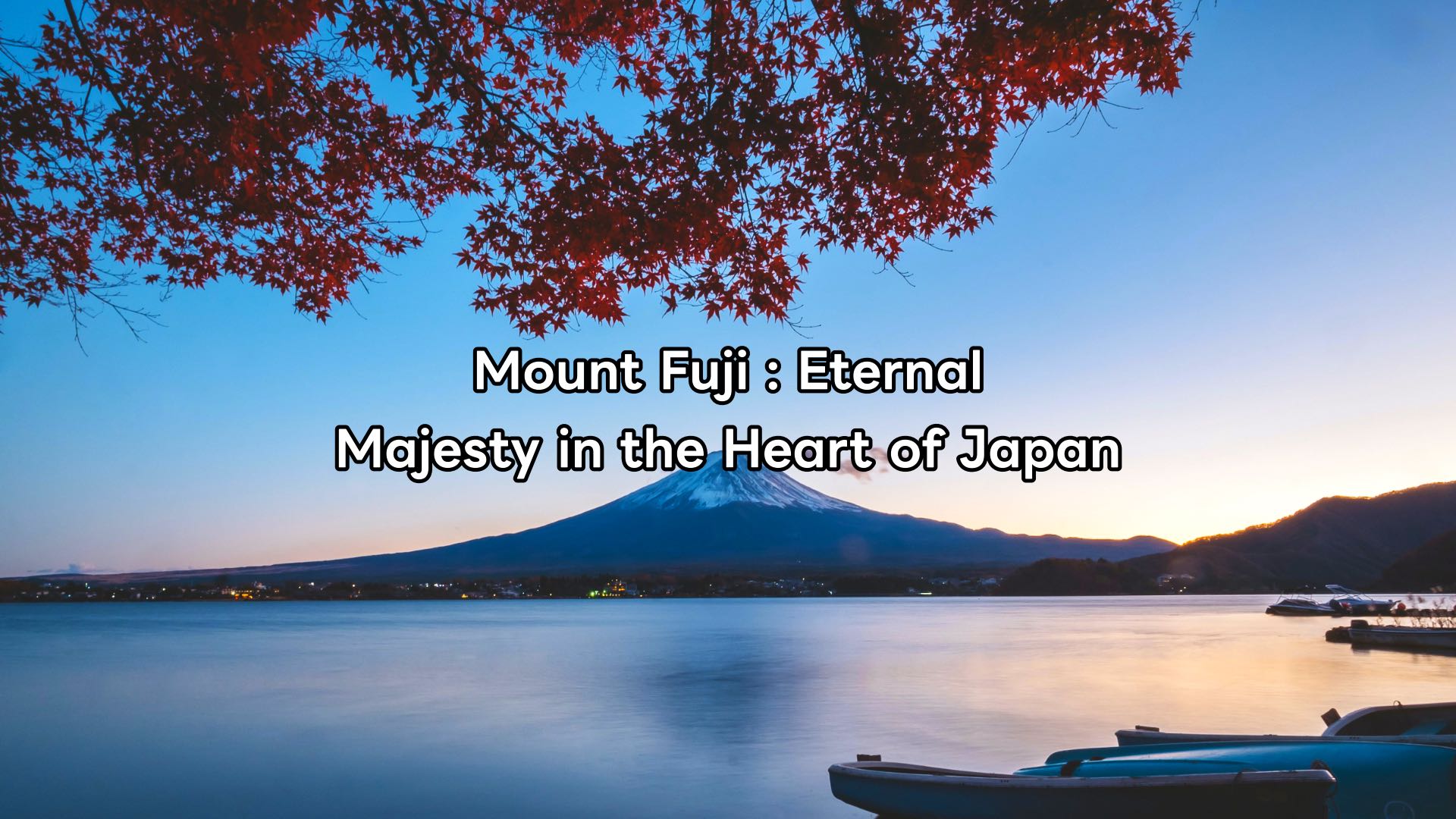
Mount Fuji : Eternal Majesty in the Heart of Japan
Mount Fuji, the emblem of Japan, stands majestically in the heart of the archipelago, capturing the imagination of locals and visitors for centuries. This iconic volcano, also known as "Fuji-San", is a revered national symbol, representing the natural beauty and deep spirituality of the Land of the Rising Sun.

The History of Rice in Japan : From Grain to Culinary Tradition
Rice occupies a special place in the history of Japan, both in terms of food and culture. This small grain has played a central role in the lives of the Japanese, shaping their diet, their economy and even their identity. Its history is a fascinating saga that dates back millennia, and its impact is deeply rooted in Japanese society.