Japanese Baths : A Dive into Tradition and Relaxation
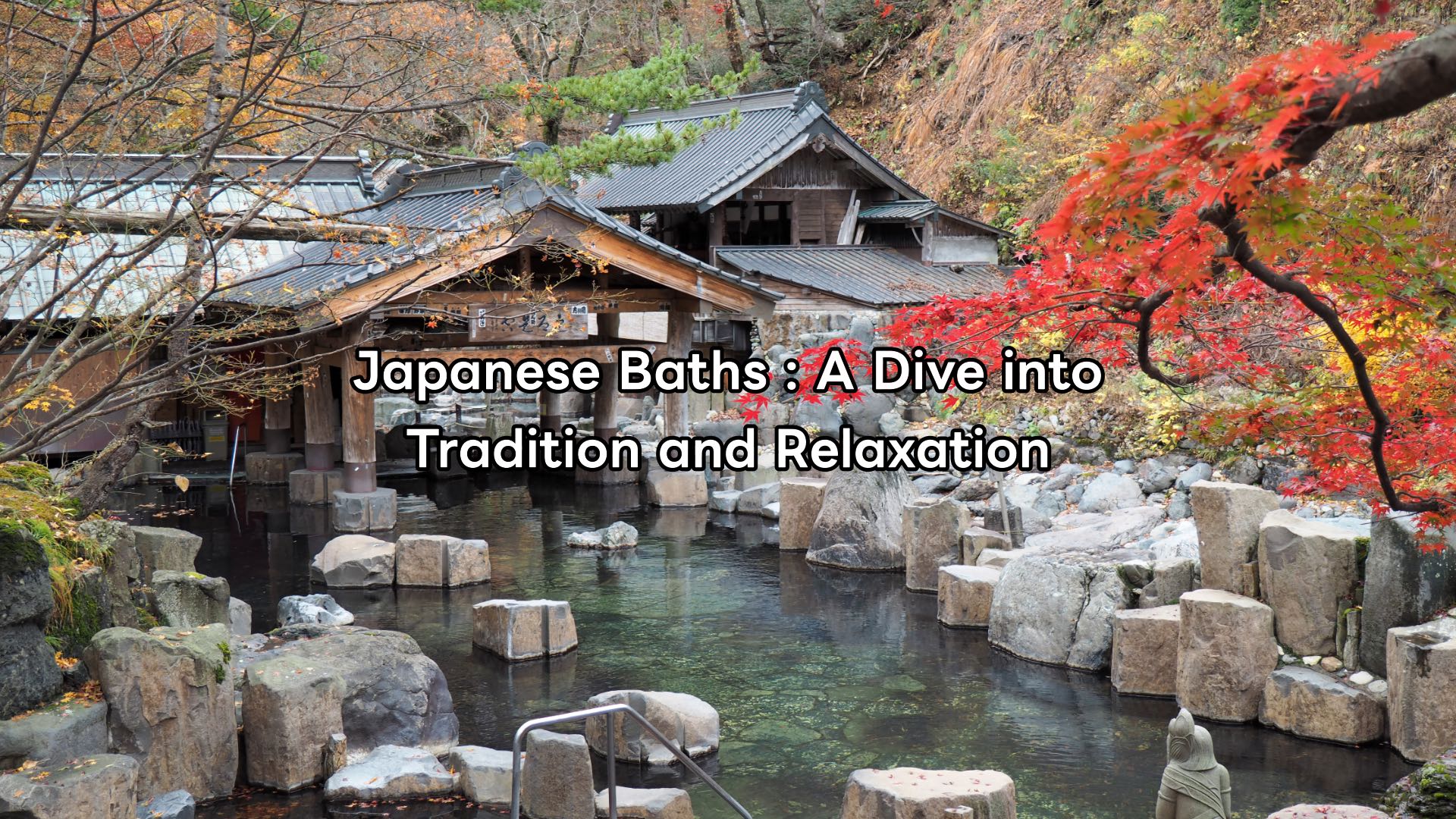
Japanese baths, known as onsen, are more than just a bathing experience. They represent an important part of Japanese culture, combining tradition, ritual and well-being. These natural hot springs, often nestled among picturesque landscapes, offer Japanese and visitors from around the world a rejuvenating getaway for both body and mind.
The history of Onsen
The history of onsens dates back to the Jomon era (14,000 to 300 before J.-C.) where the first traces of the use of thermal springs appeared. However, it was during the Edo period (1603 to 1868) that public bathing began to become more widespread, with the rise of renowned hot spring resorts such as Hakone and Beppu. During this time, onsens were often associated with places for social gatherings and were also valued for their healing properties.
The Architecture of Onsen
In Japan, these public baths are often located in mountainous or geothermally active regions, creating a unique natural atmosphere. Their architecture is often elegant and minimalist, integrating harmoniously into the environment around them. Some of them offer panoramic views of mountainous landscapes, lush forests or even the ocean, adding an extra dimension to the experience.
Onsen buildings are often constructed of wood, using traditional materials that recall classic Japanese aesthetics. However, some modern establishments integrate contemporary elements to create a fusion between tradition and innovation.
Plus, bathing in an onsen isn't just a matter of soaking in hot water. Before diving into the pools, it is essential to follow a thorough cleaning ritual, involving washing thoroughly, and rinsing completely to ensure the cleanliness of the water. This step adds a social dimension to the experience, emphasizing the importance of cleanliness and mutual respect.
The Cultural Significance of Onsen
Onsens hold a special place in Japanese culture, symbolizing purity, relaxation and sometimes even spirituality. Many Japanese consider onsens to be sacred places, associated with deities or beneficent spirits. Onsens were historically visited during pilgrimages, enhancing their cultural and spiritual significance.
The practice of bathing in onsens is also linked to seasonality. Many people particularly enjoy them during the cold seasons, enjoying the comforting warmth of the thermal waters to counter the freezing temperatures.
Japan actually offers a great diversity of these bathing places, each having its own unique characteristics. Some onsens are open-air, offering an immersive experience surrounded by nature. Others are located in ryokans, (traditional Japanese inns) creating a complete experience of relaxation and gastronomy. Some even offer aromatic baths, using specific herbs and minerals for their added benefits to the skin and mind.
Indeed, in addition to pleasure and relaxation, the heat released by onsens is renowned for its therapeutic benefits. Thermal waters are often rich in minerals such as sulfur, carbonate and radium, known for their soothing and anti-inflammatory properties. Many fans say they help relieve muscle pain, improve blood circulation, and promote healthy skin.
Onsens and Tourism
Many regions of Japan are famous for their onsens, playing a vital role in Japan's tourism industry, and attracting visitors from around the world looking for a cultural and relaxing experience. Cities like Hakone, Beppu, and Kinosaki are renowned for their numerous hot springs and quality establishments.
Ryokans offering onsens are often a popular option for tourists, offering the opportunity to enjoy an authentic experience while exploring the natural beauty of Japan.
However, although onsens are a cultural treasure, they also face modern challenges. Overuse of geothermal water re!sources, waste management, and environmental concerns related to infrastructure construction are all issues facing their industry.
However, many establishments have adopted sustainable practices, seeking to minimize their impact on the environment and preserve these natural treasures for future generations.
Japan's onsens offer much more than just swimming. They are a gateway to culture, tradition and well-being. By diving into the thermal waters, visitors have the opportunity to connect with the history of Japan, experience ancient rituals and immerse themselves in the natural splendor of this country, through a bath full of warmth . Whether for the therapeutic benefits, social experience or peaceful contemplation, they remain a cultural treasure and an invitation to relaxation in one of the most captivating places on earth.
Published on 12/15/2023 16:00:00
Which Kanjis Have You Learned ?
Click and Drag Translations
浴場
-
Baths
Heat
入浴
-
Swimming
Swimming
熱
-
Heat
Baths
情報源
-
Sources
Minerals
鉱物
-
Minerals
Sources
The Tradition of Hanami : Celebrating the Ephemeral Beauty of Cherry Blossoms
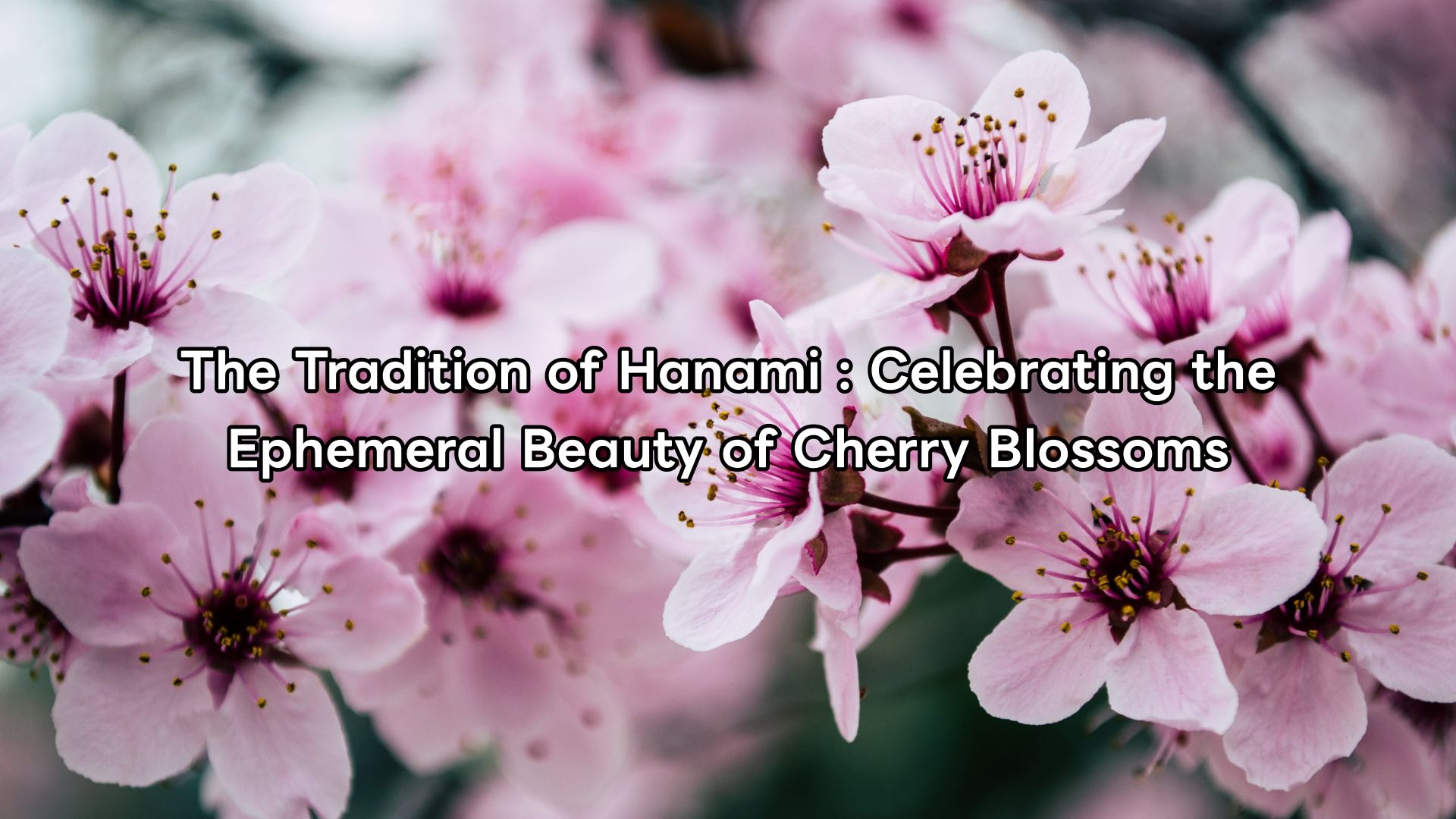
Hanami, or the Japanese tradition of gazing at cherry blossoms, is a celebration of the fleeting beauty of nature. This centuries-old custom has deep meaning in Japan, where cherry blossom trees, called "sakura", are revered for their short-lived splendor. Every year, when spring arrives, millions of Japanese and visitors from around the world gather there to enjoy this extraordinary natural spectacle.

The Rapid Evolution of Japanese Trains : From Historic Lines to Innovative Projects
Japan, renowned for its advanced technology, has played a leading role in the evolution of trains over the decades. From the commissioning of the first railway in 1872, to the design of ultra-modern high-speed lines, the Land of the Rising Sun has constantly pushed the boundaries of railway engineering.
The History of Rice in Japan : From Grain to Culinary Tradition
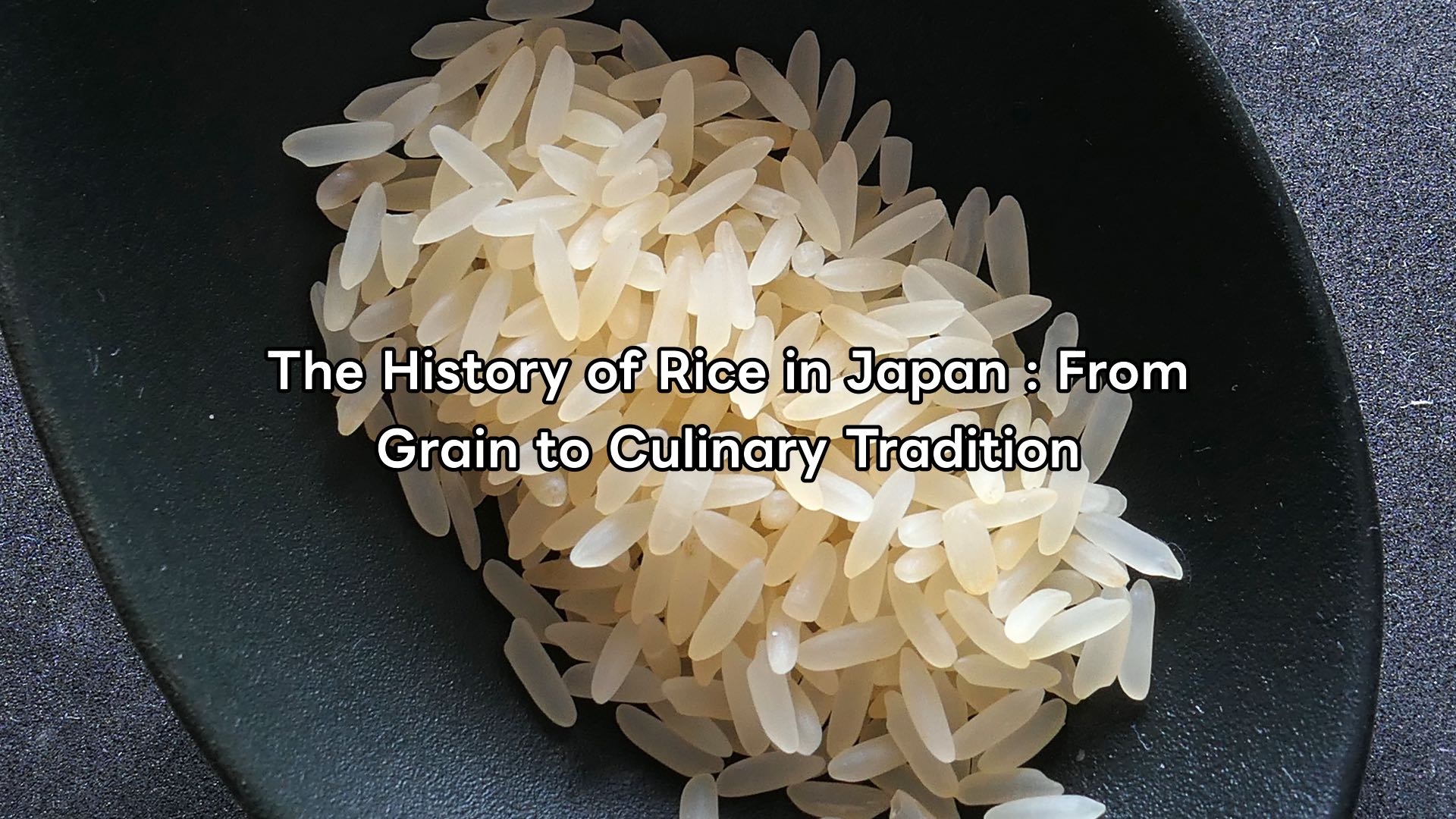
Rice occupies a special place in the history of Japan, both in terms of food and culture. This small grain has played a central role in the lives of the Japanese, shaping their diet, their economy and even their identity. Its history is a fascinating saga that dates back millennia, and its impact is deeply rooted in Japanese society.